
Hand Protection - Heat Resistant Gloves


Cotton Knitted Gloves: Bleach White Cotton Knitted Gloves
The Bleach White Cotton Knitted Gloves are a reliable choice for light-duty applications, offering comfort, flexibility, and durability. These gloves are crafted to provide excellent hand protection while maintaining a soft and breathable feel.
Key Features
High-Quality Material
- Made from premium bleach white cotton, ensuring softness and durability.
- Lightweight yet sturdy, ideal for extended use.
Comfortable Fit
- Knitted design allows for flexibility and snug fit, enhancing dexterity and reducing hand fatigue.
- Breathable material keeps hands cool and comfortable during use.
Durable Construction
- Features a white overlock finish for added strength and resistance to wear and tear.
- Weight of 400 grams, providing a balance of durability and lightweight comfort.
Applications
The Bleach White Cotton Knitted Gloves are versatile and suitable for various tasks, including:
- General Maintenance
- Material Handling
- Light Industrial Work
- Warehousing
Why Choose Bleach White Cotton Gloves?
Opt for these Knitted Gloves for their exceptional comfort, flexibility, and durability. Whether for industrial or general-purpose use, these gloves are a dependable choice for maintaining hand safety without compromising on comfort.
CE CAT 1
Weight 9.8 kg
Dimensions 44 × 25 × 50 in
Colors White
Origin Pakistan
Packing – Packet 1 Dozen
Packing – Carton 20 Dozen

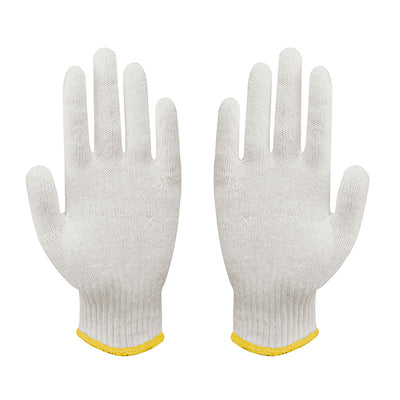

Bleach White Cotton Knitted Gloves
Yellow overlock
Weight : 840Grams
CE CAT 1
Weight 18.90 kg
Dimensions 48 × 26 × 60 in
Colors White
Origin Pakistan
Packing – Packet 1 Dozen
Packing – Carton 20 Dozen

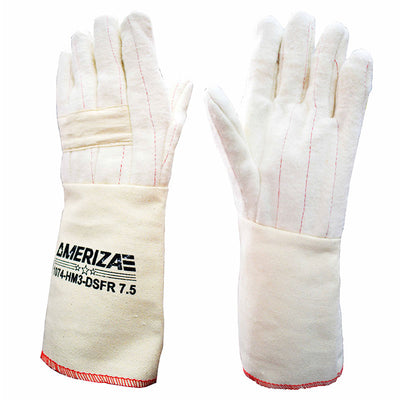

FR Coated Cotton Gloves
Temperature Resistance
Description:
Cut sewn 100% cotton three layer hot mill glove with 6 oz flannel sandwiched between two 13 oz layers having knuckle patch with 16 Oz flame retardant duck gauntlet. These gloves are made from medium weight canvas material produced from 100% cotton. The canvas gloves with an attached flame retardant duck gauntlet are general purpose handling gloves for warm or hot objects and offer contact heat protection up to 250°C. These gloves are not flame resistant and are not suitable for use with chemicals and liquids. 32oz 100% cotton flame retardant canvas glove lined with 6oz flannel between 2 layers of 13oz canvas fabric. 32oz nap out drill fingers. 16oz flame retardant duck gauntlet.
Compliances:
REACH - EN 407:
B-Contact heat 250 Temp(°C)
Protect Against : Heat
CAT II, CE
Weight 21.10 kg
Dimensions 62 × 38 × 39 in
Colors White
Origin Pakistan
Packing – Packet 1 Dozen
Packing – Carton 6 Dozen

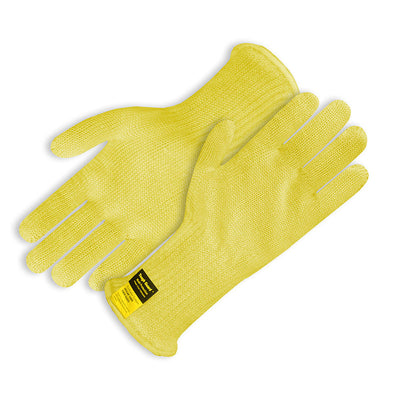

High Heat 300 degree gloves with cut 5 Protection
Features:
- Size Free Size
- Knitting : Seamless 7gg Double Glove.
- Outer Shell : 5 Ply 100% Kevlar® +Glass Filament.
- Inner Shell : 100% Cotton Ring Spun Yarn.
- Shell Weight : 300 Gms/ Pair.
- Sizes : L-XL
Applications:
Steel works, Foundries, Forges, - Metal works and workshops
Automotive, - Home Appliances manufacture, - Bakeries/ Ovens
Furnaces and Kilns, - Sheet Metal fabrication and welding
Glass, Ceramics, Cement Industries
EN407:X1XXXX, EN 388 : 2003
Weight 3.9 kg
Dimensions 46 × 41 × 20 in
Colors Yellow
Material Steel Fiber
Origin Pakistan
Packing – Packet 1 Pair
Packing – Carton 50 Pairs
When employees work around hot surfaces, sparks, molten materials, or heated equipment, heat resistant gloves play a critical role in preventing hand injuries. These gloves provide reliable thermal protection while maintaining comfort, grip, and flexibility. Therefore, businesses across manufacturing, welding, foundries, glass handling, and food processing industries rely on high-quality heat-resistant hand protection to improve workplace safety.
Choosing the right glove depends on the heat level, task complexity, and working environment. Moreover, modern heat-resistant gloves combine advanced materials with ergonomic designs to deliver both protection and productivity.
Heat Resistant Gloves for Industrial Applications
Heat resistant gloves are specifically designed to protect workers from contact heat, radiant heat, sparks, and hot materials. They help reduce the risk of burns while allowing users to handle tools and equipment safely.
Many industries require dependable thermal protection, including:
-
Welding and fabrication
-
Metal processing plants
-
Foundries and steel mills
-
Glass manufacturing
-
Automotive production
-
Commercial kitchens and bakeries
-
Maintenance and repair operations
Furthermore, businesses that invest in proper hand protection often experience fewer workplace injuries and reduced downtime.
Why Heat Protection Matters in the Workplace
Hand injuries remain one of the most common workplace incidents worldwide. According to data from occupational safety organizations, hand injuries account for a significant percentage of industrial accidents each year.
Proper protective gloves help organizations:
-
Reduce burn-related injuries
-
Improve worker confidence
-
Support safety compliance programs
-
Increase operational efficiency
-
Lower injury-related costs
Consequently, selecting the correct glove becomes an essential part of every workplace safety strategy.
Key Features of High-Quality Heat Resistant Gloves
Not all thermal protection gloves offer the same level of performance. Therefore, it is important to evaluate product features before making a selection.
| Feature | Benefit |
|---|---|
| Heat-resistant materials | Protect against elevated temperatures |
| Reinforced construction | Improves durability in demanding environments |
| Enhanced grip | Provides safer handling of hot objects |
| Flexible design | Supports comfort during extended use |
| Cut resistance options | Offers additional protection from sharp edges |
| Extended cuffs | Protects wrists and lower arms |
Moreover, advanced glove technologies now provide better dexterity without sacrificing thermal protection.
Common Materials Used in Heat Resistant Gloves
Various materials deliver varying levels of heat resistance. Understanding these materials helps buyers make informed decisions.
| Material | Typical Application |
|---|---|
| Kevlar® blends | Welding and industrial handling |
| Aramid fibers | High-temperature environments |
| Leather | General heat and spark protection |
| Aluminized fabrics | Radiant heat applications |
| Cotton-lined composites | Comfort and moderate heat protection |
In contrast, gloves designed for extreme temperatures often use multiple material layers to achieve higher protection levels.
How to Choose the Right Heat Resistant Gloves
Selecting suitable hand protection requires evaluating workplace risks carefully.
Consider the following factors:
-
Identify the maximum temperature exposure.
-
Assess contact time with hot surfaces.
-
Evaluate grip requirements.
-
Consider flexibility and comfort needs.
-
Check compliance with relevant safety standards.
-
Review durability requirements.
Additionally, employers should conduct regular risk assessments to ensure gloves remain appropriate for changing work conditions.
Industries That Benefit from Heat Resistant Gloves
Many sectors rely on thermal protective gloves every day.
Manufacturing and Metalworking
Workers frequently handle hot machinery, fabricated components, and heated tools. Therefore, dependable thermal protection is essential.
Welding Operations
Welders face exposure to sparks, molten metal, and radiant heat. Furthermore, specialized welding gloves help maintain both safety and dexterity.
Food Processing
Commercial kitchens, bakeries, and food production facilities often require protection from ovens, trays, and heated equipment.
Glass and Foundry Work
Extreme temperatures create significant burn hazards. Consequently, high-performance hand protection becomes a critical safety requirement.
Best Practices for Glove Maintenance
Proper care helps maximize glove performance and service life.
-
Inspect gloves before each use.
-
Replace damaged gloves immediately.
-
Follow manufacturer cleaning guidelines.
-
Store gloves in a clean, dry location.
-
Avoid using gloves beyond their rated temperature limits.
Moreover, regular inspections help identify wear before safety is compromised.
What Makes a Reliable Heat Protection Solution?
A reliable glove should balance protection, comfort, durability, and usability. Many organizations focus only on temperature ratings. However, factors such as grip, dexterity, and wear resistance also influence overall performance.
Experienced safety professionals recommend selecting gloves based on real workplace hazards rather than temperature ratings alone. This approach often results in better protection and improved worker satisfaction.
Final Thoughts
Find high-quality heat resistant gloves helps create a safer and more productive work environment. Whether your team works in welding, manufacturing, food processing, or foundry operations, the right hand protection can significantly reduce burn risks. Furthermore, selecting certified products that match specific workplace hazards ensures long-term safety, compliance, and operational efficiency.
Heat Resistant Gloves FAQ'S
What are heat resistant gloves used for?
Heat resistant gloves protect hands from hot surfaces, radiant heat, sparks, and high-temperature materials in industrial and commercial environments.
How do I choose the right heat resistant gloves?
Consider temperature exposure, task requirements, grip needs, comfort, durability, and relevant safety standards before selecting a glove.
Can heat resistant gloves also provide cut protection?
Yes. Many modern gloves combine thermal protection with cut-resistant materials for enhanced workplace safety.
Which industries commonly use heat resistant gloves?
Manufacturing, welding, foundries, metalworking, glass production, automotive facilities, bakeries, and food processing plants commonly use them.
How often should heat resistant gloves be replaced?
Replacement depends on usage, wear, and exposure conditions. Gloves showing signs of damage or reduced performance should be replaced immediately.
Are heat resistant gloves suitable for extreme temperatures?
Some models are designed for high-temperature applications. However, users should always verify the glove's temperature rating and intended use before deployment.