
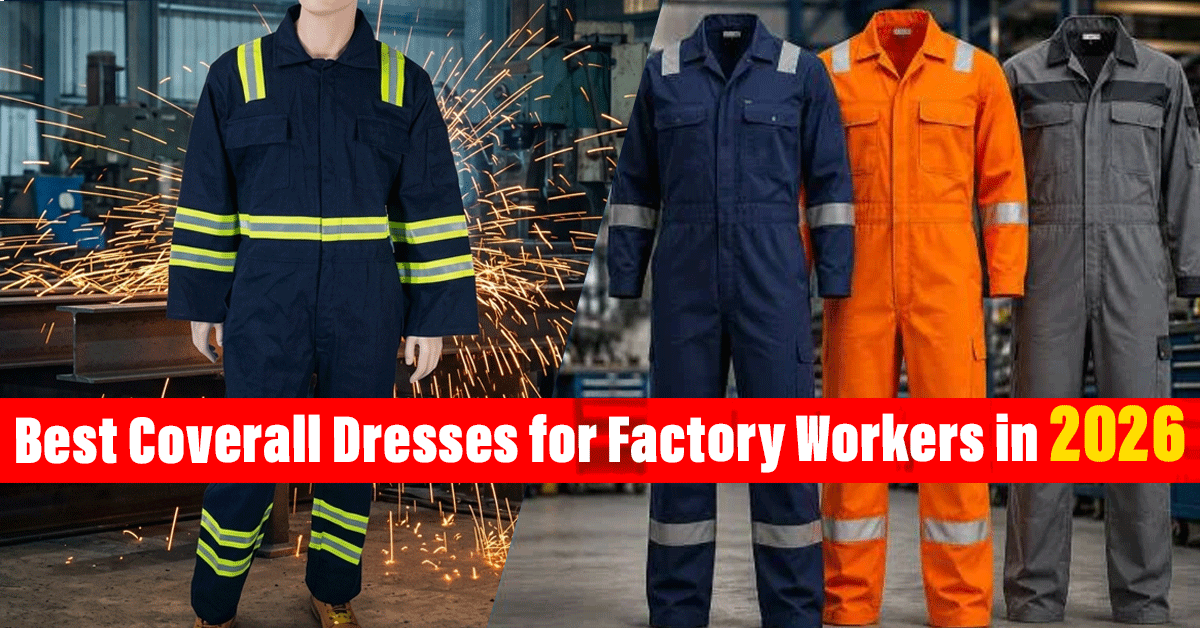
Factory environments expose workers to various hazards, including sharp tools, heavy machinery, sparks, chemicals, and extreme temperatures. That's why choosing the best coverall dresses for factory workers is essential for workplace safety and productivity.
High-quality industrial coveralls provide full-body protection, improve comfort during long shifts, and help businesses comply with workplace safety regulations. In this guide, you'll learn how to choose the right coveralls, what features to look for, and which types are best suited for different industrial environments.
Why Factory Worker Coveralls Are Essential
Factory workers face daily risks that ordinary clothing cannot handle. Professional factory worker coveralls provide an extra layer of protection against:
- Sharp metal edges
- Heat and sparks
- Dust and dirt
- Oil and grease
- Minor abrasions
- Workplace chemicals
Besides protecting workers, certified coveralls help companies comply with occupational safety standards while reducing workplace injuries and replacement costs.
Real-World Example
A rapidly growing automotive manufacturing company experienced frequent uniform damage because employees wore low-quality workwear that tore easily around sharp vehicle components.
After switching to certified industrial coveralls with reinforced stitching and abrasion-resistant fabric, the company reported:
- Fewer uniform replacements
- Reduced worker complaints
- Better compliance during safety inspections
- Improved employee confidence and productivity
This demonstrates how investing in quality protective clothing can reduce long-term operational costs.
Best Industrial Workwear for Factory Employees in 2026
Modern industrial workwear is designed to offer both protection and comfort.
Today's factory coveralls feature:
- Lightweight yet durable fabrics
- Breathable construction
- Stretch panels for mobility
- Reinforced stitching
- Job-specific safety features
Different industries require different designs. For example:
- Automotive manufacturing requires scratch-free zippers.
- Oil & gas facilities require anti-static clothing.
- Welding operations require flame-resistant fabrics.
- Chemical plants require liquid-resistant materials.
Key Features of Durable Coveralls for Industrial Use
You must look for strong gear. Durable coverall dresses for industrial use last long. Check these four basic points:
Heavy-Duty Fabric Construction
First, the main fabric must be strong. Good brands use poly-cotton. This material handles rough daily use.
Reinforced Seams and Stitching
Next, cheap seams rip apart fast. Therefore, look for triple stitching. Also, check for rivets on pockets.
Abrasion and Tear Resistance
Sharp edges can cut skin. So, the fabric must resist rips. This resistance stops sudden injuries.
Easy Maintenance and Longevity
Work gear gets very greasy. But good fabric cleans easily. Therefore, the suits last for months.
Comfortable Coveralls for Factory Workers: What to Look For
Safety is key, but comfort matters too. Heavy gear tires workers out. Look for comfortable coveralls for factory workers with these features:
Breathable Materials
Shops get hot during the day shifts. So, use breathable fabrics. They let fresh air in.
Lightweight Designs
Good gear does not feel heavy. Modern weaves stay thin. Therefore, workers feel less tired.
Flexible Movement and Mobility
Workers bend and kneel all day. So, choose elastic waistbands. These help the body move.
Moisture-Wicking Features
Sweat causes bad skin rashes. Thus, choose fabrics that dry fast. This keeps workers happy.
Industrial Coveralls vs Regular Workwear
Regular clothing is not designed for industrial environments.
| Industrial Coveralls | Regular Workwear |
|---|---|
| Full-body protection | Limited protection |
| Durable fabrics | Standard materials |
| Reinforced stitching | Basic stitching |
| Certified safety standards | No industrial certification |
| Job-specific protection |
Everyday clothing |
Flame-Resistant Coveralls
Factories involving welding, electrical work, or hot metal processing require flame-resistant (FR) coveralls.
These garments are designed to:
- Resist ignition
- Self-extinguish after flame exposure
- Reduce burn injuries
- Meet industry safety standards
Always choose coveralls certified under applicable safety standards such as EN ISO 11611 or EN ISO 11612.
High-Visibility Coveralls
In busy factories where forklifts and heavy equipment operate, visibility is critical.
High-visibility coveralls include:
- Fluorescent colors
- Reflective tape
- 360° visibility
- Enhanced worker recognition
They significantly reduce the risk of workplace collisions.
Chemical-Resistant Coveralls
Workers handling hazardous liquids or chemicals require specialized protective clothing.
Chemical-resistant coveralls provide protection against:
- Acids
- Solvents
- Industrial cleaning agents
- Chemical splashes
Always choose coveralls that match the specific chemicals used in your workplace.
Industrial Safety Clothing Guide
Protective coveralls should be used alongside other Personal Protective Equipment (PPE), including:
- Safety helmets
- Safety shoes
- Protective gloves
- Safety goggles
- Hearing protection
- Respiratory protection where required
Selecting the correct PPE creates a complete workplace safety system.
How to Choose Factory Coveralls
Before purchasing industrial coveralls, consider the following:
Identify Workplace Hazards
Determine whether workers face heat, chemicals, sparks, sharp materials, or electrical hazards.
Consider Climate Conditions
Lightweight breathable fabrics work best in hot environments, while insulated coveralls are better for colder workplaces.
Evaluate Fabric Durability
High-friction industries require abrasion-resistant materials with reinforced construction.
Verify Safety Certifications
Always choose certified protective clothing that complies with applicable workplace safety standards.
Industrial Coverall Buying Guide 2026
Use this checklist before buying:
- Select the correct fabric
- Verify safety certifications
- Choose the right fit
- Compare durability
- Consider worker comfort
- Evaluate maintenance requirements
- Balance quality with long-term cost savings
Investing in durable workwear reduces replacement costs over time.
Common Mistakes to Avoid
Many buyers make these costly mistakes:
- Choosing the wrong fabric for hazardous environments
- Purchasing uncertified workwear
- Buying incorrect sizes
- Prioritizing price over durability
- Ignoring industry-specific safety requirements
Are Custom Branded Coveralls Worth It?
Custom industrial workwear offers several advantages.
Benefits include:
- Stronger brand identity
- Professional appearance
- Easy employee identification
- Better department organization
- Improved team morale
Maintenance Tips for Industrial Coveralls
Proper care extends the lifespan of protective clothing.
Wash Correctly
Follow the manufacturer's washing instructions and avoid bleach on flame-resistant garments.
Store Properly
Hang clean coveralls in a dry, well-ventilated area to prevent moisture damage.
Inspect Regularly
Check garments for tears, worn seams, broken zippers, or damaged reflective strips. Replace damaged coveralls immediately.
Conclusion
At SAMS Solutions selecting the best coverall dresses for factory workers is an investment in workplace safety, employee comfort, and long-term productivity. High-quality industrial coveralls reduce injuries, improve compliance with safety regulations, and lower replacement costs over time.
Whether your workforce operates in manufacturing, construction, automotive, oil & gas, or chemical processing, choosing durable, certified protective workwear helps create a safer and more efficient workplace.
Coveralls FAQs
1. What are the best coveralls for factory workers in 2026?
The best models use poly-cotton blends with triple stitching. They are light and strong.
2. How do I choose factory coveralls for my workplace?
First, look at your floor risks. Next, check your shop temperature. Then, buy certified suits.
3. What makes durable coverall dresses suitable for industrial use?
They have thick fabrics and triple-stitched lines. Therefore, they do not tear easily.
4. Are flame-resistant coveralls necessary for all factories?
No. They are only for shops with fire or spark risks.
5. When should I use chemical-resistant coveralls?
Use them when workers touch dangerous acids or liquid chemicals.
6. Why are high-visibility coveralls important?
Because they help forklift drivers see workers in dark zones.
7. Can custom workwear improve brand image?
Yes. Matching uniforms look professional and build great team pride.
8. How often should industrial coveralls be replaced?
They usually last six to twelve months. But replace them immediately if they rip.