
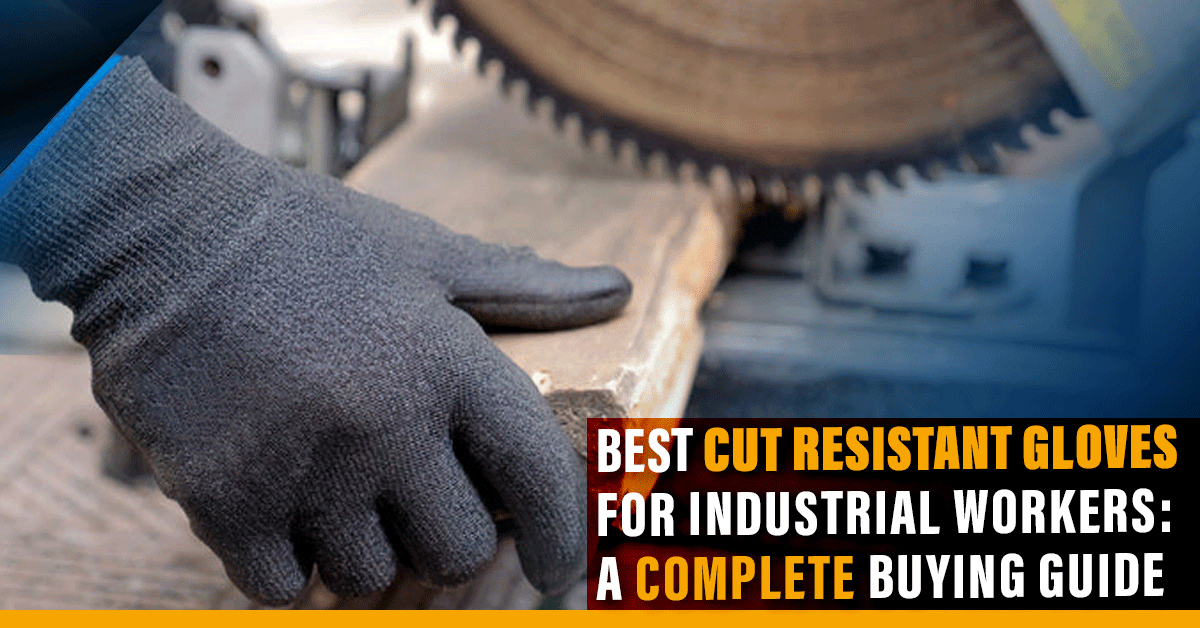
Hand safety is a primary concern for all industrial facilities. Every day, thousands of employees are injured on the job; accidentally slicing a hand with a scraper, slicing open a palm while grabbing a piece of raw sheet metal, or nicking a finger while fighting with a broken window or utility knife are just normal occurrences. Given the ubiquitousness of the dangers, correct selection of cut-resistant gloves can prevent expensive trips to the hospital and keep business going.
Definition of Cut Resistant Gloves.
What Are Cut Resistant Gloves? Cut resistant gloves are specialized handwear designed to prevent or reduce cuts from occurring. As a general overview, they are manufactured with durable materials meant to absorb any sharp impact.
Cut-resistant gloves are personal protective work gloves intended to protect one's hands when working with blades and other sharp objects. These PPE gloves are made of expert performance fibers rather than the normal types of woven cotton or leather that are used for regular work gloves. Factories and suppliers use materials such as Kevlar, HPPE, and even mesh of stainless steel.
Consequently, this means that such technologically advanced materials are able to take the blow and compensate for the cutting action before it penetrates human flesh.
Why Industrial Workers Need Cut Resistant Gloves
Those who work in manufacturing, construction, or in a metal shop always have the danger of their hands. Standard safety gloves provide limited protection when working in dangerous steps. However, a simple misstep with a utility knife or a sharp metal sheet can run tendons in fractions of a second.
Effective Industrial Hand Protection prevents cuts and deep gouges from occurring. Not only can premium protective work gloves help prevent cutting and incising wounds, but they also boost worker confidence when handling sharp and pointed products.
Safety Standards
It will assist you in selecting the appropriate defense level for the mode of your work environment.
ANSI Cut Levels (A1–A9)
ANSI/ISEA 105, by The American National Standards Institute, also rates the cut resistance with a scale from A1 to A9, according to the grams of load that the blade needs to cut through the material:
Bob Dale Gloves
A1 to A3 (Light Protection): Can carry from 200-1,499 grams. Suitable for materials that are light to handle, and in general maintenance.
MCR Safety
A4 to A6 (Medium-Hard Protection): Can carry between 1,500-3,999 grams of weight. Suitable for assembly work in the automotive industry, construction, handling of glass and metal stamping.
MCR Safety
A7 to A9 (Extreme Protection): Depending on specific rating, can stand 4,000 to 6,000+ grams of pressure. Suitable for heavy-duty metal fabrication, recycling sorting, high-risk blade hazards.
EN388 Ratings Explained
The EN388 standard is the European rating system for industrial safety gloves. It tests six main mechanical performance markers, shown on a safety label shield:
West Chester Protective Gear
-
Abrasion Resistance: Rated from 1 to 4.
MUNDO Gear -
Cut Resistance (Coup Test): Rated from 1 to 5.
MUNDO Gear -
Tear Resistance: Rated from 1 to 4.
MUNDO Gear -
Puncture Resistance: Rated from 1 to 4.
MUNDO Gear -
ISO Cut Test (TDM-100 / ISO 13997): Rated from A to F for modern cut resistance precision.
Bob Dale Gloves -
Impact Protection: Marked with a "P" if the glove passes impact testing.
uvex safety Australia
How to Choose the Right Cut Resistant Gloves
Selecting the perfect glove requires looking at several key technical features:
-
Cut Protection Level: Match the ANSI or EN388 rating to the actual sharp hazards on your job site.
-
Grip: Choose textured palm coatings like sandy nitrile or latex to keep a firm hold on wet or oily parts.
-
Dexterity: Ensure the glove allows good finger movement so workers can hold small screws and tools easily.
-
Comfort: Soft inner linings reduce hand fatigue during long work shifts.
-
Coating: Polyurethane (PU) offers great touch feel, while nitrile blocks oils, and latex provides strong dry grip.
-
Breathability: Breathable knit backs keep hands cool and dry, which prevents sweat buildup inside the glove.
-
Size & Fit: Measure hand size accurately. Tight gloves tear easily, while loose gloves create dangerous snag hazards around machinery.
-
Durability: Pick strong synthetic blends that resist fraying and hold up through repeated machine washes.
-
Safety Certifications: Always verify official ANSI Cut Resistant Gloves or EN388 Gloves stamps on the product label.
Common Mistakes to Avoid When Buying Cut Resistant Gloves
To ensure complete hand safety, avoid these frequent glove buying mistakes:
-
Buying One Level for All Tasks: Giving low-level A2 gloves to workers handling heavy sheet metal leads to serious injuries.
The ANSI Blog -
Ignoring Chemical or Oil Risks: Standard cut-resistant fibers absorb oil and chemicals. Therefore, use liquid-proof coated options for wet tasks.
-
Focusing Only on Price: Cheap gloves wear out quickly and break down in days, which costs more money in the long run.
-
Forgetting Comfort and Fit: Uncomfortable gloves cause hand cramps, leading workers to take them off on the job.
Cut Resistant Gloves FAQ'S
Are cut resistant gloves cut-proof?
No, no glove is completely cut-proof. Cut-resistant materials delay and resist cutting forces, but super heavy blades or powered machinery can still slice through under high pressure.
Which cut level is best?
The best cut level depends entirely on your workplace hazards. For instance, ANSI A2 works well for general warehouse tasks, while ANSI A5 or higher is necessary for heavy glass and metal handling.
The ANSI Blog
ANSI vs EN388: What is the difference?
ANSI is the North American safety standard that measures cut force in grams on an A1 to A9 scale. Conversely, EN388 is the European standard that tests abrasion, cut, tear, puncture, ISO cut performance (A–F), and impact resistance.
The ANSI Blog+ 1
Conclusion
Investing in high-quality cut resistant gloves from SAMS Solutions is the most effective way to prevent workplace hand injuries. By understanding ANSI and EN388 ratings, choosing the right palm coatings, and ensuring a comfortable fit, you can keep your workforce safe, productive, and fully protected every single day. Trust SAMS Solutions for reliable hand protection that meets the demands of industrial and commercial workplaces.