
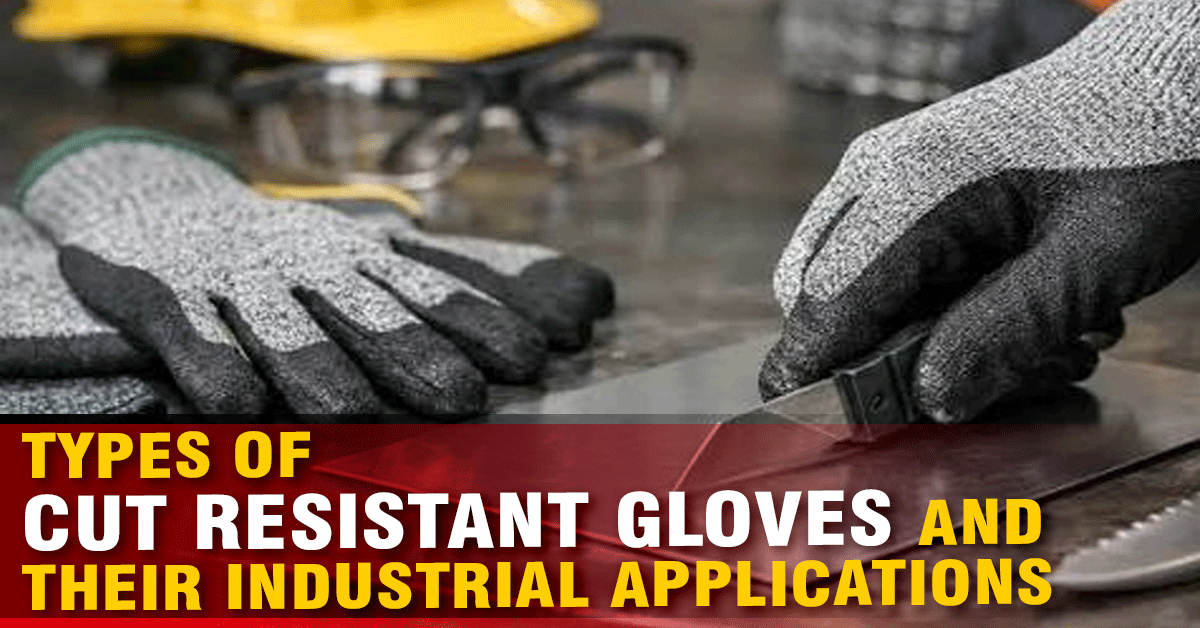
Hand injuries at work can occur in a split second. Each year, many employees are seriously cut while using sharp implements, broken glass, or rough metal edges. These painful injuries result in loss of time and enormous medical expenses. As such, hand protection PPE is vital for worker safety. But all jobs are not the same, and the glove that is perfect for dry precision work will slip all over the oily engine components. Since each application presents its own hazards, choosing the right gloves is the key to true safety and efficiency.
Different Types of Cut Resistant Gloves
Contemporary industrial work gloves utilize durable synthetic fibres blended with protective outer coatings. Therefore, the gloves that are most effective in today's hazardous workplaces are:
PU Coated Gloves
PU-coated Gloves(GI) are a very flexible and very light glove. A thin, transparent coating covers the palm and fingers of the glove to produce a ‘bare-hand’ sensation. Workers benefit by having excellent finger sensitivity when grasping very small screws or fragile electronic components.
Nitrile Coated Gloves
Nitrile Coated Gloves Last Longer. Nitrile-coated gloves are very resistant to snags, small holes, and scratches. Nitrile rubber gloves is a synthetic nitrile rubber material that forms a strong barrier that resists water and light oils. They will keep your hands dry and still get a good grip on flat surfaces.
Sandy Nitrile Gloves
Sand-grit nitrile glove design is a fine-textured surface that has little vacuum cups. The unique finish can repel water. So they are oil-resistant gloves for gripping slippery, oil covered machine tools and wet steel plates.
Latex Coated Gloves
Latex-coated hand gloves are made from natural rubber for excellent grip and also high extensibility. The textured latex palm provides good grip when handling dry materials such as bricks, logs, and large cardboard boxes. They should be avoided where use in contact with oils and petroleum derivatives.
Leather Reinforced Gloves
Leather reinforced gloves provide the cool protection of cut-resistant knit inner gloves plus the rugged durability of leather palm patches. This demanding design ensures real longevity and heat resistance. As a result, these heavy-duty work gloves can withstand relentless abrasion, coarse substances, and jagged scrap metal.
Best Industries That Use Cut Resistant Gloves
In a variety of industry fields, sharp edges are common. Hence, gloves specifically designed for safety purposes are developed to protect workers in many large-scale sectors:
-
Manufacturing: Manufacturing gloves are common among plant crews for machinery operation on fast production lines and metal shearing.
-
Construction: On construction sites, workers use heavy-duty construction gloves for protection from rebar, edges of fresh concrete, and power tools.
-
Metal Fabrication: Steel is being cut, welded, and rough edges are being smoothed by operators equipped with novel metal handling gloves.
-
Glass Handling: Handling of the glass for technicians from a box of high-tech cut gloves to a pair of gloves for glass handling, i.e., moving a huge smooth sheet of glass.
-
Automotive: assembly line workers wear oil-resistant gloves to handle greasy engine components as well as the sharp bits of metal.
-
Warehousing: Always wear comfortable warehouse gloves to avoid box-cutter slips while hot packing.
-
Oil and Gas: Offshore work crews require crushing industrial work gloves that can beat the impacts of rough Heavy Rubbing & Slippery Crud.
-
Mining: Miners use impact-proof and cut-proof gloves while guiding sharp rocks, drill bits, and heavy cables.
-
Food Processing - The food prep teams use seamless mesh gloves or cut-resistant knit gloves to protect themselves from the razor-sharp knives.
-
Logistics: Freight workers putting away pallets wear durable grip gloves to manage heavy crates and work all day with pointy shipping straps.
Benefits of High-Quality Cut Resistant Gloves
Buying certified cut-resistant gloves brings key safety benefits to workers and managers alike: Prevents Cuts high strength synthetic fibers prevent sharp blades from cutting your skin.
-
Increases productivity: The workers’ hands work faster and more confidently in the presence of their safety.
-
Offers Better Grip: Advanced palm coatings can avoid inadvertently tumbling of valuable items and dangerous tools.
-
Reduces Expenses: Protecting a worker from injury will reduce the high costs of medical expenses and costly time off work.
How to Care for Cut Resistant Gloves
Taking good care of your safety gear helps keep it clean and in working order. So, do any of the following to lengthen the lifespan of your gloves:
-
Inspect Daily: Before starting any work shift, first examine the fabric for loose threads, thin areas, or cuts.
-
Wash Gently: Second, rinse dirty gloves in a mild soap wash. use a wash that is not hot or warm.
-
Air Dry: To air dry gloves, place them to dry naturally at room temperature and in a dry place, not near a hot heater.
When Do Cut Resistant Gloves Need Replacing?
All hand protection PPE deteriorates from heavy everyday use. If any of these warning indicators are present, change your gloves immediately:
|
Damage Sign |
Visible Condition |
Required Action |
|
Exposed Liner or Holes |
Tears or visible skin on fingers and palm |
Replace gloves immediately |
|
Worn Palm Coating |
Smooth coating is rubbed away or peeling |
Discard and get a fresh pair |
|
Stiff or Brittle Fiber |
Glove material feels hard or melted from heat |
Trash the damaged pair right away |
|
Loose Elastic Cuff |
Wrist cuff loses stretch and slides down |
Replace to prevent snag hazards |
Conclusion
Picking the correct cut resistant gloves from SAMS Solutions is one of the smartest ways to protect your workers on the job. By choosing glove coatings that match your specific work environment, you ensure maximum hand protection, improved comfort, and greater productivity every day. Trust SAMS Solutions to provide high-quality cut resistant gloves designed for reliable performance across a wide range of industrial applications.
Cut Resistant Gloves FAQ'S
Are they resistant to punctures?
Cut-resistant fibers stop cutting actions by sharp blades. But long needles or thin spikes still go through general knit liners. So find a dedicated puncture-rated glove for sharp needles.
The duration of the effect?
The glove duration is related to task adherence, work materials, and care. For instance, the glove can last a couple of weeks during assembly work or some light work, or several days doing heavy metal stamping.
Can they be washed?
Yes, most synthetic cut-resistant gloves can be washed dozens of times. Just make sure that you always use a mild soap, no chlorine or bleach. Bleach destroys the protective fibers in cut-resistant gloves slowly over time.