
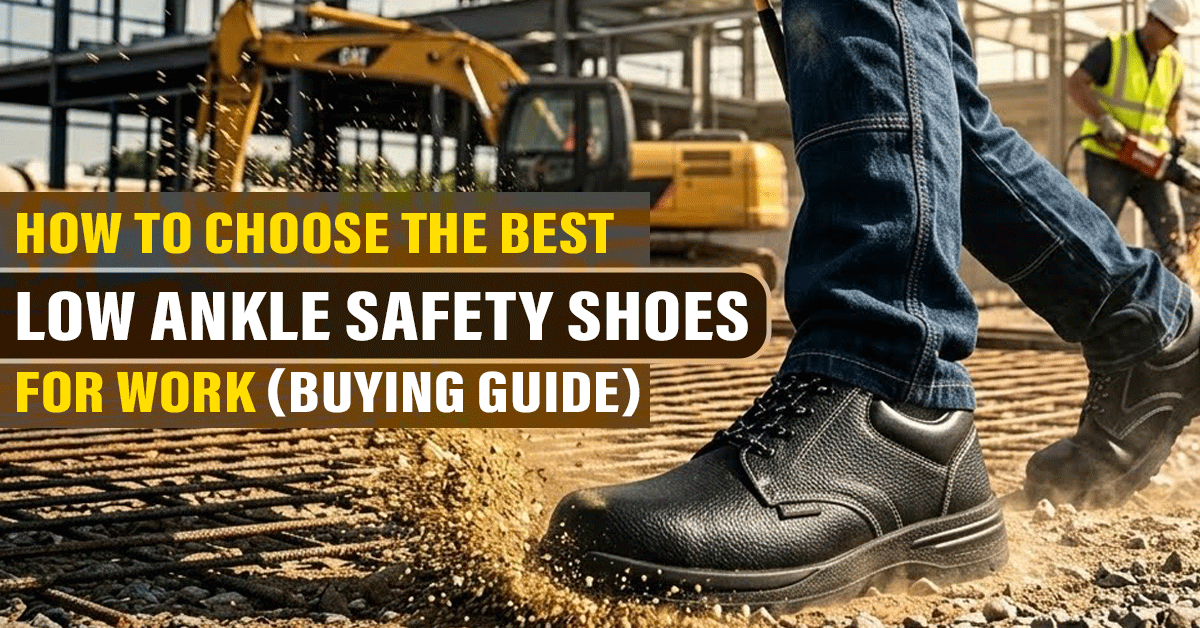
Finding the right work footwear is very hard. For example, your feet can get sore quickly. Also, sharp objects on the ground pose risks. Therefore, choosing the right pair is very vital. Proper Low Ankle Safety Shoes keep your feet safe. They also provide excellent comfort during long shifts. Consequently, your daily work output gets much better. This complete guide helps you pick the right shoes. It protects your feet and your budget perfectly.
What Are Low Ankle Safety Shoes?
These are specialized industrial work shoes for tough jobs. Specifically, the collar cuts off below the ankle bone. This low design offers a lot of ankle freedom. However, they still provide heavy protective features. They look just like standard sports sneakers. But they feature a hidden protective toe cap inside. For this reason, they look clean and feel light. They perfectly protect you from heavy falling tools.
Benefits of Low Ankle Safety Shoes
Many industries prefer this specific style of footwear. Investing in a quality pair offers great benefits:
-
Better Foot Movement: The low cut allows your ankles to bend freely. Therefore, you can crouch or kneel easily.
-
Lighter Mass: These shoes use less leather material. Consequently, they weigh much less than high boots.
-
Cooler Airflow: They allow hot air to escape fast. This keeps your feet fresh during hot shifts.
-
Daily Versatility: They work well on different job surfaces. Thus, you can walk on concrete or dirt comfortably.
Key Features to Look For
You must check technical specifications carefully before buying. Never buy generic casual shoes for hard labor tasks. Instead, look for these specific features.
Safety Toe Options
First, choose your toe cap material wisely. A steel toe cap gives the highest impact defense. Next, composite caps use carbon fiber or plastic. These do not conduct heat or electricity. Finally, aluminum caps offer a very lightweight choice.
Slip Resistance
Second, slick workshop floors cause sudden falls. Look for outsoles with certified slip resistance ratings. This keeps your grip firm on wet surfaces.
Breathability
Additionally, sweaty feet can lead to painful skin blisters. Look for mesh side panels or micro-perforated leather. These fabrics let fresh air circulate inside the shoe.
Comfort & Cushioning
Furthermore, hard soles cause severe heel pain over time. Choose models with thick polyurethane foam insoles. Good cushioning absorbs shock from walking on hard concrete.
Lightweight Design
Heavy footwear causes rapid leg fatigue during long shifts. For this reason, seek lightweight athletic styles. These help you walk miles every day without fatigue.
Sole Material
Finally, check the outer sole compound. Dual-density polyurethane outsoles resist punctures from nails. They also block damage from hot oil surfaces.
How to Choose the Right Size
Finding the correct fit is highly important for safety. Follow these three quick steps when trying shoes on:
-
Measure Later in the Day: Your feet swell up after long walks. Therefore, try new shoes on in the afternoon.
-
Wear Your Thick Work Socks: Thin sports socks alter the internal fit. Always use your actual thick winter socks for testing.
-
Check for Toe Room: Slide your foot forward inside the shoe. Ensure you have a small finger gap behind your heel.
Safety Standards & Certifications
Never buy uncertified footwear for physical trade jobs. Look for these official industrial stamps on the product tag:
-
EN ISO 20345: This is the top European standard rating. It ensures the toe cap handles 200 Joules of impact force.
-
ASTM F2413: This is the primary American safety certification mark. It tests for compression resistance and impact protection.
-
CE Mark: This seal proves the product matches health regulations. It guarantees real workplace protection.
Industry Requirements for Safety Footwear
Different job sites require specific shoe traits. You must match your footwear style to your work environment.
Construction Sites
First, building zones have stray nails everywhere. Therefore, you must wear puncture-proof construction safety shoes. These feature a steel midsole plate to stop punctures.
Warehouse Operations
Next, workers walk long distances on hard concrete. For this reason, look for comfortable warehouse safety shoes. These need high-heeled shock absorption to stop back pain.
Manufacturing Plants
Additionally, heavy parts can drop off conveyor lanes. For this reason, use strong manufacturing safety shoes. These shield your toes from heavy impact forces.
Oil and Gas Fields
Furthermore, drilling platforms face slick chemical spills. Therefore, crews must wear specialized oil and gas safety shoes. These feature chemical-resistant rubber outsoles.
Electrical Work
Next, spark risks can cause severe fire hazards. Electricians need non-conductive electrical safety shoes. These use composite caps instead of metal parts.
Logistics & Distribution
Finally, packing work requires fast physical body turns. Lightweight logistics safety shoes keep your legs fresh during ten-hour shifts.
Common Buying Mistakes to Avoid
Many procurement teams make simple errors when buying gear. Avoid these four traps to save company cash:
-
Prioritizing Low Price Over Shoe Life: Cheap shoes tear apart within weeks. Consequently, you spend more money on replacements.
-
Ignoring Local Workplace Rules: Buying plain sneakers violates site codes. Always check your safety manual first.
-
Buying the Wrong Toe Material: Metal caps can trigger security metal detectors. Choose composite toes for airport jobs.
-
Skipping the Break-In Period: Wearing new leather shoes for long shifts causes blisters. Wear them at home first.
Conclusion
At SAMS Solution, hoosing the right Low Ankle Safety Shoes is a vital business choice. The perfect pair must combine solid certified toe caps with slip-resistant outsoles. Furthermore, they must offer light fabrics to keep your feet comfortable all day.
Do not buy cheap, uncertified everyday footwear for hard labor. Investing in proper industrial safety gear protects your valuable health. Ultimately, wearing certified work shoes keeps your field operations running safely every single day.
Low Ankle Safety Shoes FAQs
1. Are low ankle safety shoes as safe as high boots?
Yes, they have the identical toe protection. They don't have the high ankle twist-bending protection.
2. How long do quality low ankle safety shoes last?
Continuing with weekly maintenance, quality shoes can last a year if well maintained. If the leather cracks open, replace immediately.
3. Can I wash my safety shoes in a washing machine?
No, leather panels will not be suitable for machine washing, as the leather split damaged and weakens the glue. Just wash the Panels with light soap and clean gently with a brush.
4. What does the S1P rating mean on work shoes?
This classification ensures Toe cap protection. It also confirms anti-static properties and a puncture-resistant sole.
5. Do composite toe shoes expire over time?
The composite shell is not environmentally friendly. You should replace the shoe after any impact.