
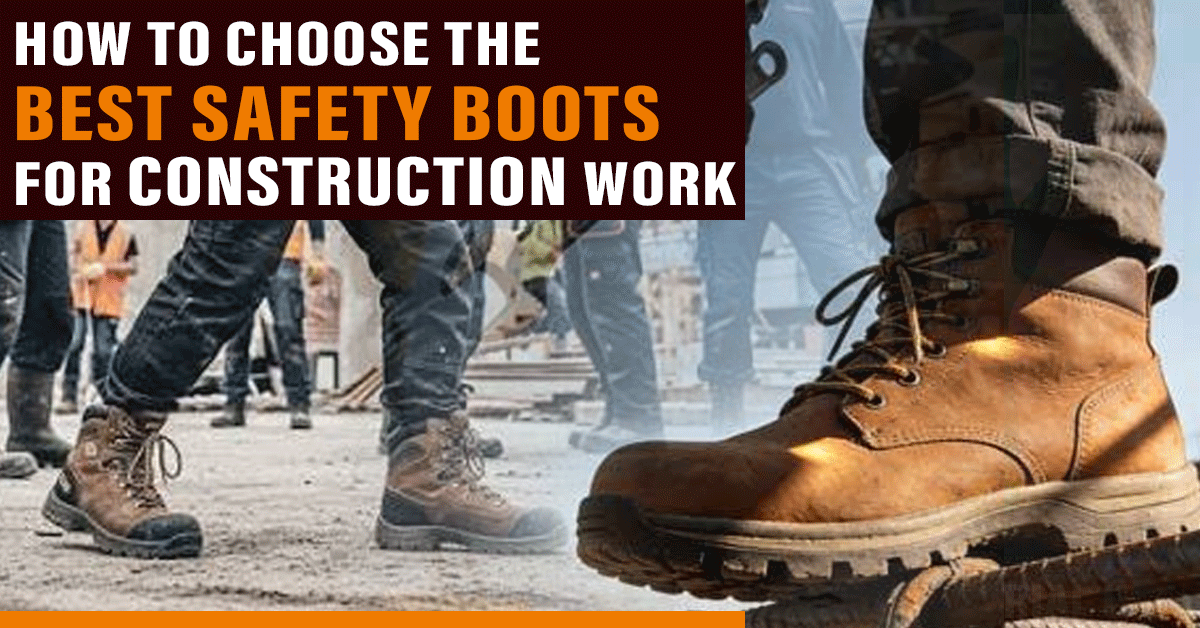
Building sites have many hazards. For example, you may see falling bricks. Also, you may see sharp exposed nails. Therefore, selecting the right protective footwear is crucial. Good safety boots protect your feet. They also provide daily comfort. Consequently, you get better work output. When workers feel safe, they perform much better on-site. This clear guide explains how to choose the right pair of boots. It protects your team perfectly.
Why Quality Footwear Matters on Construction Sites
Heavy building zones have many moving machines. For this reason, workers must wear certified safety boots. Wearing proper protective gear creates a strong shield. These sturdy boots help stop sudden foot injuries.
Furthermore, these shoes protect teams in wet areas. Muddy grounds make it hard to walk. Also, oily surfaces are very slippery. So, high-quality safety boots save lives. They do this by stopping nasty falls. Most importantly, your workers stay safe.
Steel Toe vs. Composite Toe Protection
The front of your shoe needs a strong protective shield. You generally have two main choices for this guard:
Steel Toe Safety Boots
First, steel toe safety boots offer the strongest impact shield. They protect your toes from very heavy falling tools. Therefore, they are perfect for high-risk zones. But they can feel heavy during long shifts.
Composite Toe Safety Boots
Next, composite toe safety boots use light materials like carbon fiber or fiberglass. They do not conduct electricity. Consequently, they are great for electricians. Also, they are lightweight safety boots that reduce leg fatigue.
In early 2026, a large infrastructure project in Dubai faced safety challenges. The management saw a big issue. Workers complained about heavy, cheap footwear. Accordingly, the site saw three major slip accidents within two weeks.
To solve this risk quickly, the company bought premium Safetoe M-8561 boots. Within just one month, comfort improved fast. Workers walked confidently on wet concrete. Consequently, this simple change stopped slip accidents completely.
This case shows why visibility and proper grip matter. Buying certified gear keeps your workplace safe. Also, it keeps it running well.
Key Features of Superior Construction Safety Boots
You must look for durable gear. Good safety boots last long. Check these four basic features before you buy:
Waterproof Safety Boots
First, wet feet lead to painful blisters. Therefore, choose waterproof safety boots for outdoor jobs. These boots block muddy water completely.
Slip-Resistant Safety Boots
Next, oily floors cause sudden falls. So, choose slip-resistant safety boots with deep rubber treads. This feature keeps you stable on greasy surfaces.
Puncture-Resistant Soles
Building sites have sharp steel shards. Thus, look for boots with Kevlar midsole plates. These layers stop sharp nails from piercing your feet.
Gender-Specific Fit
Men and women have different foot shapes. For this reason, look for specific men's safety boots or women's safety boots. A correct fit prevents sore heels and joint pain.
Comparing Safety Boot Standards
|
Boot Feature |
Material Used |
Best Job Role |
Hazard Level |
|
Protective Work Boots |
Heavy Steel Cap |
Heavy Masonry |
High Impact |
|
Durable Work Boots |
Thick Cow Leather |
Site Supervision |
Daily Wear |
|
Industrial Safety Boots |
Composite Cap + Kevlar |
Utility & Electrical |
Medium Risk |
How to Maintain Your Protective Work Boots
Proper care keeps your durable work boots in top condition. Use these easy maintenance steps:
-
Clean the Soles: Wash off wet mud with a soft brush every week. This keeps the slip-resistant grip clean.
-
Dry Them Safely: Never place wet boots near hot heaters. Instead, let them air dry naturally in a warm room.
-
Condition the Leather: Apply wax to smooth cow leather. Consequently, the leather stays soft and does not crack.
Conclusion
Selecting the right safety boots is a critical choice. Your decision impacts worker health. Also, it affects safety compliance and daily progress. Prioritizing certified protection keeps your site running smoothly.
Do not cut corners on cheap, uncertified footwear. Spending on excellent construction safety boots protects your team from harm. Ultimately, SAMS Solutions provides the best-certified gear to meet your safety needs.
Safety Boots FAQs
1. What is the main difference between steel and composite toes?
Steel toes protect from most impacts. Composite toes are lighter and do not conduct heat or electricity.
2. How often should I replace my construction safety boots?
With daily use on site, a good pair will last between six and twelve months; replace them straight away if the protective cap is visible.
3. Are waterproof safety boots breathable?
Yes, high-level models will have breathable air mesh linings. This is like the breathability of a trail running shoe, letting the sweat escape and not the water in.
4. Can I buy these industrial safety boots in bulk?
Yes, they sell at wholesale bulk rates from SAMS Solutions ordering for corporate teams (they will send the custom size charts as well).