
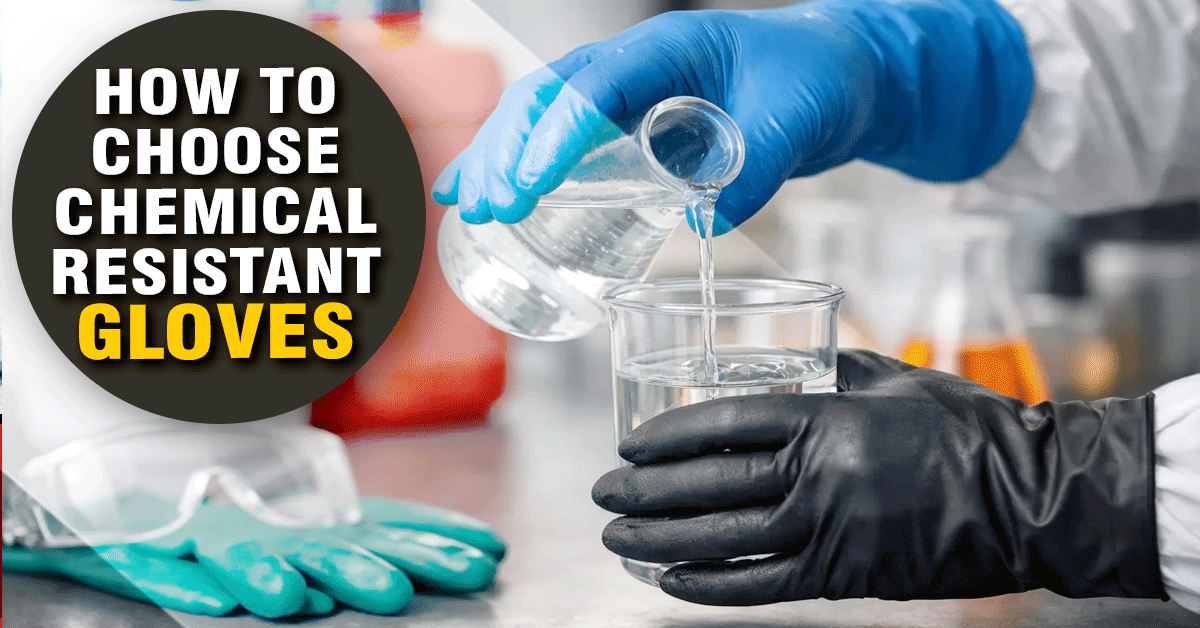
Workers in laboratories, manufacturing plants, construction sites, oil and gas facilities, and chemical industries handle hazardous substances every day. Without proper hand protection, exposure to chemicals can lead to burns, skin irritation, allergies, and long-term health problems.
Choosing the right chemical resistant gloves is one of the most important workplace safety decisions. However, not all protective gloves provide the same level of resistance. A glove that protects against acids may fail when exposed to solvents or oils.
This guide explains everything you need to know about selecting the best chemical resistant gloves for your workplace.
Why Chemical Resistant Gloves Matter
Hands are the most frequently exposed body part during chemical handling. Direct contact with hazardous substances can cause immediate injuries or long-term damage.
Quality chemical resistant gloves help:
- Prevent chemical burns
- Reduce skin irritation
- Protect against toxic absorption
- Improve workplace safety
- Meet occupational safety requirements
- Reduce workplace injuries
- Increase worker confidence
Whether employees work in manufacturing, healthcare, laboratories, or industrial cleaning, proper gloves reduce the risk of accidents.
Understand the Type of Chemical
The first step is identifying the chemical workers will handle.
Different chemicals react differently with glove materials.
Common categories include:
- Strong acids
- Alkalis (Bases)
- Solvents
- Oils
- Grease
- Alcohols
- Paints
- Cleaning chemicals
- Petroleum products
- Industrial chemicals
Always review the Safety Data Sheet (SDS) before selecting gloves.
Know the Different Glove Materials
Different materials offer different levels of chemical resistance.
Nitrile Gloves
Nitrile gloves are among the most popular options for industrial use.
Best for:
- Oils
- Fuels
- Grease
- Petroleum products
- Many solvents
Advantages:
- Excellent puncture resistance
- Latex-free
- Good chemical protection
- Comfortable fit
- Durable
Common industries:
- Automotive
- Manufacturing
- Oil & Gas
- Laboratories
- Healthcare
Neoprene Gloves
Neoprene performs well against many aggressive chemicals.
Suitable for:
- Acids
- Caustic solutions
- Alcohols
- Cleaning chemicals
Advantages:
-
- Flexible
- Heat resistant
- Weather resistant
- Long-lasting
PVC Gloves
PVC gloves provide economical protection against many chemicals.
Best for:
- Acids
- Bases
- Salts
- Water-based chemicals
Advantages:
- Affordable
- Waterproof
- Good abrasion resistance
Often used in:
- Agriculture
- Food processing
- Chemical handling
Viton Gloves
Viton gloves provide premium protection against aggressive solvents.
Recommended for:
- Aromatic hydrocarbons
- Chlorinated solvents
- Highly corrosive chemicals
These gloves are often used in specialized chemical industries.
Viton Gloves
Viton gloves provide premium protection against aggressive solvents.
Recommended for:
- Aromatic hydrocarbons
- Chlorinated solvents
- Highly corrosive chemicals
These gloves are often used in specialized chemical industries.
Natural Rubber (Latex)
Latex gloves provide comfort and flexibility but have limited chemical resistance.
Best for:
- Water-based solutions
- Mild chemicals
Not recommended for:
- Strong solvents
- Oils
- Petroleum products
Workers with latex allergies should choose nitrile instead.
Check Chemical Compatibility Charts
Manufacturers publish chemical compatibility charts that show how different glove materials perform against specific chemicals.
These charts classify protection based on:
- Excellent
- Good
- Fair
- Poor
- Not Recommended
Never assume all nitrile or PVC gloves provide the same protection.
Always verify compatibility.
Understand Breakthrough Time
Breakthrough time refers to the amount of time it takes for a chemical to pass through the glove material.
Longer breakthrough times provide better protection.
For example:
- 10 minutes = Poor protection
- 30 minutes = Moderate protection
- 120+ minutes = Excellent protection
Workers handling hazardous chemicals should choose gloves with the longest suitable breakthrough time.
Consider Glove Thickness
Thicker gloves usually provide better chemical resistance.
However, thicker gloves may reduce flexibility.
Choose gloves based on the task.
Thin Gloves
Suitable for:
- Precision work
- Laboratory tasks
- Short chemical exposure
Medium Thickness
Suitable for:
- Manufacturing
- General maintenance
- Assembly work
Heavy-Duty Gloves
Best for:
- Industrial chemicals
- Long exposure
- Hazardous environments
Select the Correct Glove Length
The glove cuff should match the level of exposure.
Available lengths include:
Wrist Length
Suitable for light chemical handling.
Forearm Length
Protects both hands and lower arms.
Elbow Length
Recommended when splashes are likely.
Longer gloves offer greater protection in chemical processing environments.
Evaluate Grip Performance
Chemical-resistant gloves should provide a secure grip, especially when handling wet or oily materials.
Look for:
- Textured palms
- Diamond grip patterns
- Sandy finish
- Rough surface coatings
Improved grip reduces accidents and increases worker confidence.
Ensure Comfort and Proper Fit
A poorly fitting glove reduces productivity and increases fatigue.
The right glove should:
- Fit snugly
- Allow finger movement
- Reduce hand fatigue
- Stay securely in place
- Maintain dexterity
Proper sizing also reduces the risk of tearing.
Look for Relevant Safety Standards
Choose gloves tested against recognized international standards.
Important standards include:
- EN ISO 374 – Protection against chemicals and microorganisms
- EN 388 – Mechanical protection
- EN 420 / EN ISO 21420 – General glove requirements
- ASTM standards for chemical protective gloves
Certified gloves provide greater confidence in workplace safety.
Reusable Gloves
Suitable for:
- Manufacturing
- Chemical plants
- Industrial cleaning
- Maintenance work
Benefits:
- Durable
- Better long-term value
- Higher chemical resistance
Common Mistakes to Avoid
Many workplaces choose gloves based only on price.
Avoid these common mistakes:
- Using latex for solvent handling
- Choosing the wrong glove size
- Ignoring chemical compatibility charts
- Reusing disposable gloves
- Wearing damaged gloves
- Ignoring breakthrough time
- Selecting gloves without certification
Proper glove selection reduces workplace injuries and replacement costs.
Glove Care and Maintenance
Reusable gloves last longer when properly maintained.
Follow these best practices:
- Inspect gloves before each use.
- Wash reusable gloves after handling chemicals.
- Dry gloves completely before storage.
- Store away from direct sunlight and heat.
- Replace gloves showing cracks, punctures, or swelling.
- Never continue using gloves after chemical breakthrough.
Routine inspections help maintain consistent protection.
How to Choose the Best Chemical Resistant Gloves
Before purchasing chemical resistant gloves, consider the following checklist:
- Identify the chemical being handled.
- Check the Safety Data Sheet (SDS).
- Review the chemical compatibility chart.
- Verify breakthrough time.
- Select the correct glove material.
- Choose the proper thickness and length.
- Ensure the gloves fit comfortably.
- Confirm compliance with relevant safety standards.
- Match the gloves to the specific work environment.
Taking these steps helps ensure workers receive reliable protection while maintaining comfort and productivity.
Chemical Resistant Gloves FAQ'S
Which gloves are best for chemical protection?
The best option depends on the chemical involved. Nitrile, neoprene, butyl, PVC, and Viton gloves each offer different levels of resistance against specific substances.
Are nitrile gloves chemical resistant?
Yes. Nitrile gloves resist many oils, fuels, greases, and industrial chemicals. However, they are not suitable for every chemical, so always check the compatibility chart.
How often should chemical resistant gloves be replaced?
Replace disposable gloves after each use. Reusable gloves should be replaced immediately if they become damaged, contaminated, or reach the end of their recommended service life.
What is breakthrough time?
Breakthrough time is the period it takes for a chemical to penetrate the glove material. Longer breakthrough times generally indicate better protection.
Can one glove protect against all chemicals?
No. There is no universal chemical resistant glove. Always choose gloves based on the specific chemicals and exposure conditions.
Final Thoughts
Selecting the right chemical resistant gloves from SAMS Solutions is essential for protecting workers from hazardous substances and maintaining a safe workplace. The best gloves are those that match the chemicals being handled, provide adequate breakthrough time, fit comfortably, and meet recognized safety standards.
By understanding glove materials, chemical compatibility, and workplace requirements, businesses can reduce injuries, improve compliance, and create a safer working environment for every employee. SAMS Solutions offers high-quality chemical resistant gloves designed to deliver reliable protection, comfort, and performance across a wide range of industrial applications.