
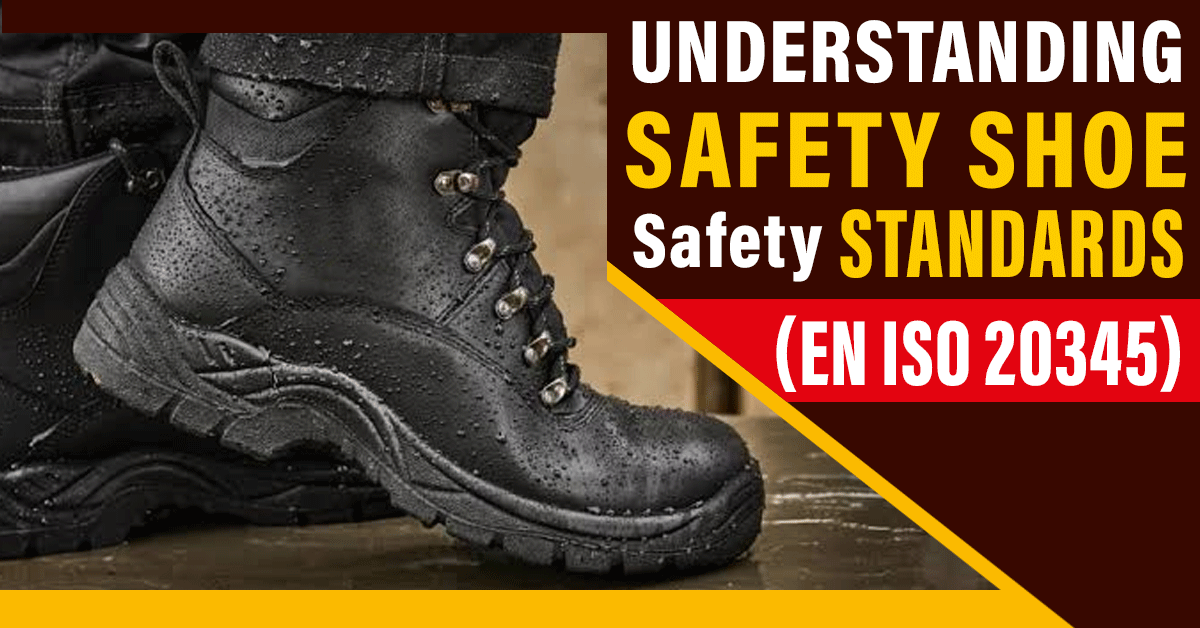
The UAE has many large plants. For instance, it has busy yards. In addition, it has huge oil fields. These industrial sites handle harsh risks every day. Because of these risks, foot protection is a big goal. Therefore, choosing the right protection tools is vital. Consequently, local teams must know how to pick the best gear. Buying professional safety shoes helps protect your workspace from sudden accidents.
However, buying heavy gear involves more than a low price. For example, you must select the right tool for falling metal parts. You must also study global test codes carefully. As a result, ordering the wrong gear can cause severe foot injuries. It can also lead to heavy safety fines for your business.
Fortunately, this simple guide helps managers select the best safety products. Below, we will review basic material types. We will also look at regional rules and key safety features. By learning these simple facts, you can protect your workshop easily.
Why Field Crews Need Certified Shoes
Safety gear does not work alone. Instead, good footwear is a core part of your daily field flow. Regular work shoes fail fast when heavy tools drop down. They can also split near sharp metal plates on the floor. Therefore, let us look at the main reasons why a good pair of safety shoes UAE stores supply helps your daily work:
-
Impact Defense: Hard built-in caps shield your toes from heavy falling objects.
-
Puncture Shield: Tough middle soles block sharp nails from piercing the foot.
-
Static Control: Special soles discharge static electricity safely into the ground floor.
-
Oil Resistance: Advanced rubber materials stop fuel oils from destroying the shoes.
When a heavy iron pipe drops in a shop, standard shoes crush quickly. In contrast, professional footwear keeps your feet safe. This simple choice allows your field team to walk through dangerous zones without fear.
A heavy metal assembly crew in a Jebel Ali industrial zone faced a major safety test during a pipe moving shift. A sudden accidental slippage threw a heavy iron beam directly onto a worker's foot. Fortunately, the site safety inspector had issued certified industrial safety shoes to the entire crew.
The thick protective front cap blocked the crushing force completely. Furthermore, it kept the heavy metal edge from hitting the worker's skin. Because the team wore certified protective gear, the incident ended with zero cuts or broken bones. Consequently, this real success story proves that high-quality safety gear saves lives.
Key Features of EN ISO 20345 Gear
Not all protective shoes are made the same way. Therefore, when you browse safety stores, you must look for specific features under the EN ISO 20345 code.
1. Hard Protection Caps
Heavy metal zones present constant drop risks. To combat this, ensure your chosen work safety shoes feature strong front armor. You can select heavy steel toe safety shoes for maximum crushing defense. Alternatively, select light composite toe safety shoes if your crew works near electrical hazards or sensitive metal detectors.
2. Light Comfort Designs
Extreme temperatures can tire outdoor workers quickly. For that reason, buying heavy, clumsy boots is a bad idea. Instead, look for advanced lightweight safety shoes that use light materials. This modern design reduces body fatigue and keeps workers active during long hot shifts.
3. Strong Floor Grip
Oil spills and wet floors are major hazards on industrial sites. To prevent slips, buying certified slip resistant safety shoes is absolutely vital. Look for the SRC rating on the shoe sole tag. This mark proves the tread pattern passed tough tests on both wet steel and ceramic tile surfaces.
Rules and Category Compliance
Buying emergency gear in the UAE requires strict attention to laws. When you check safety suppliers, verifying official compliance categories is vital.
SB Category (Safety Basic)
This is the base standard for protective footwear. It proves the toe cap can handle a heavy impact force of 200 Joules. This means it protects the feet if a twenty kilogram object drops from a height of one meter.
S1 and S3 Categories
The S1 category adds anti-static features and shock absorption in the heel zone. The S3 category adds a puncture-proof midsole layer and advanced water resistance to the outer leather. This makes S3 models perfect for muddy outdoor building sites or wet fuel handling docks.
|
Safety Category |
Main Feature |
Best Work Zone |
Top Goal |
|
SB |
200J Toe Defense |
Light workshops, simple packing lines |
Blocks basic drop impacts |
|
S1P |
Toe Cap + Anti-Puncture Sole |
Indoor construction, manufacturing yards |
Stops sharp nail piercings |
|
S3 |
Water Safe + Puncture Sole |
Oil fields, outdoor building sites |
Kept feet dry and secure |
Practical Tips for Footwear Care
To keep your safety assets in top condition, proper care is required. Dirt, mud, and chemical residues can slowly ruin the protective fibers over time. Therefore, you should establish a simple cleaning routine for your team.
First, wipe off dirt and chemical splashes with a dry brush after every single shift. Second, let wet leather gear dry naturally in a well-shaded area. Always keep safety shoes away from direct heat sources such as a heater or in a very hot car. This can cause the leather to split or the rubber bonds to become weak. Check the soles and seams of the shoes frequently for excessive wear. If you find that the steel plates are exposed or the thread has split, then you should replace your shoes.
Conclusion: Making the Smart Choice
In summary, investing in high-quality safety shoes is essential for every industrial business in the UAE. They provide reliable protection against workplace hazards such as slips, punctures, impacts, and falling objects while improving worker safety and comfort. For businesses operating in regulated markets such as Dubai and Abu Dhabi, choosing certified safety footwear also helps ensure compliance with workplace safety standards. SAMS Solutions offers a wide range of certified safety shoes designed to meet the needs of construction, manufacturing, oil & gas, logistics, and other industrial sectors across the UAE.
Smart managers focusing on superior slip resistance, premium toe caps, and the right testing standards can protect teams easily. Buy a quality pair of protective footwear in a few minutes and start experiencing a safe tomorrow.
Safety Shoe FAQs
1. What does the EN ISO 20345 code mean on safety shoes?
This is the overall standard mark for PPE footwear. It is evidence that the shoe has undergone intensive lab tests on impact protection, sole strength, and penetration resistance. All footwear with this mark must have a protective capacity of at least 200 Joules at the toe.
2. Can you use standard sports shoes for industrial factory work?
No, normal shoes do not have the impact-proof caps nor puncture-proof soles which are required for dangerous sites. The sharp nails can go through thin common shoe soles, and the heavy objects crush the standard fabric upper, which will result in a very serious injury to the foot.
3. How often should industrial crews replace their safety shoes?
Replace safety boots at least annually, in the ordinary wear condition. Take daily inspections to check for damaged soles, cracked leather, or revealed metal caps. Do not hesitate to replace the boot immediately when there is structural damage present.
4. What is the difference between steel toes and composite toes?
Caps have the greatest impact protection, but are the thinnest, also conduct heat and cold very efficiently. Composite caps are made of non-metallic materials such as carbon fiber. They are less heavy, do not conduct electricity, and make your feet more comfortable in extremely hot temperatures.
5. Where can you buy approved safety footwear in the UAE?
You may purchase genuine safety shoes through well-known industrial suppliers such as SAMS Solutions. They are based in Deira, Dubai, and supply approved safety wear for local companies throughout the Middle East. You must insist on the supplier supplying certified lab compliance paperwork with your order.